Featured
Not known Incorrect Statements About Why Professional Gui...
The Buzz on Assessing Debt Forgiveness Services in the In...

Rumored Buzz on Widespread Misunderstandings Regarding Sp...

The Best Guide To What's Ahead for Debt Forgiveness and Debtor Options
Table of Contents
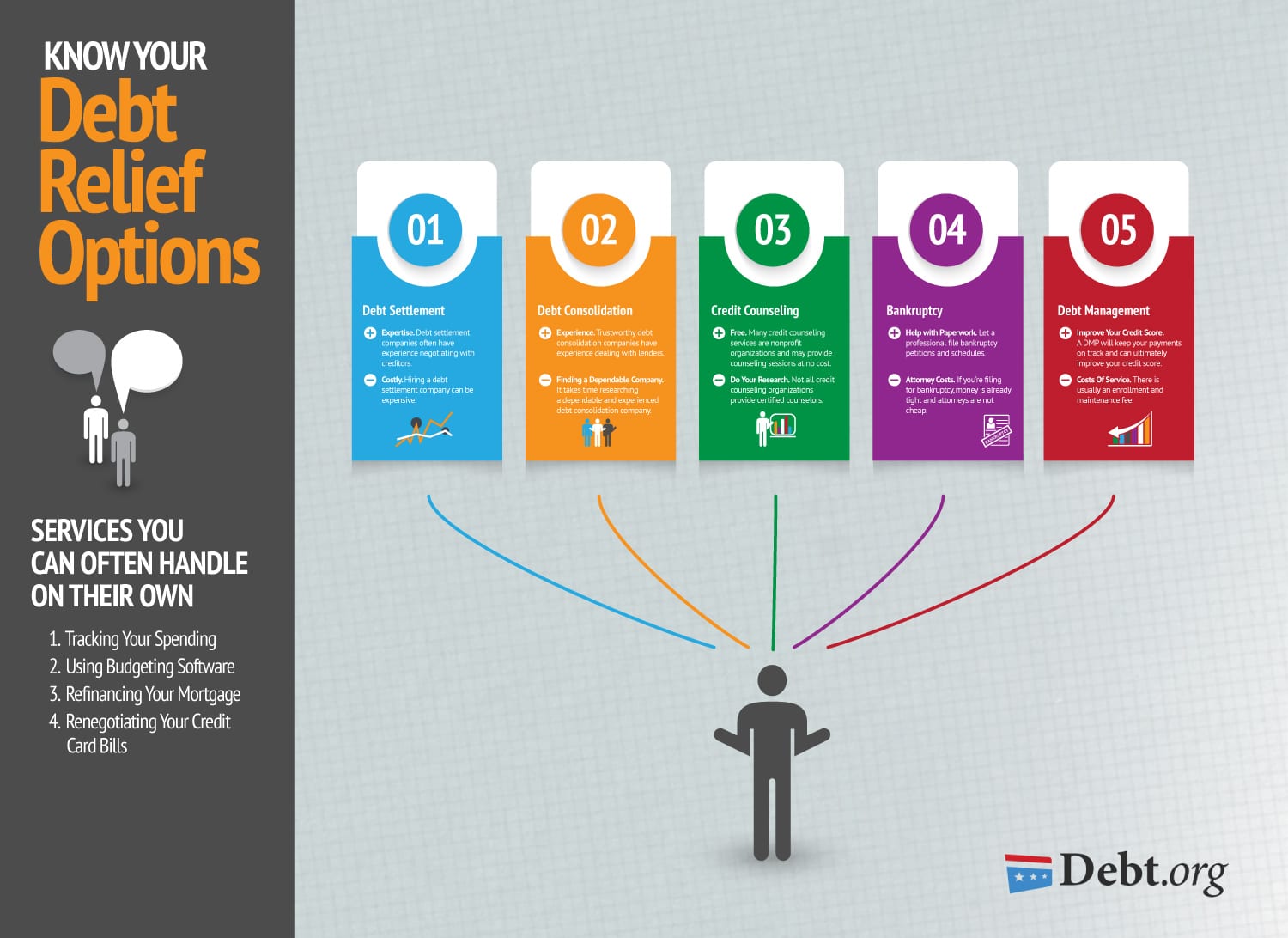
That maximizes cash in the short-term, and you may have three to four years to save towards the settlement quantity. Extremely hazardous to credit rating, primarily as a result of missed out on settlements and a negative "settled" mark that might remain on your debt report for up to seven yearsMay be just alternative if other choices (debt consolidation, balance transfer charge card, debt mercy) aren't possibleTypically requires a charge to the 3rd party, which might balance out some or all of the savings from financial debt settlementMay help you prevent insolvency if you've missed numerous paymentsNot all creditors deal with debt settlement companies Financial debt forgiveness might be appropriate for you if you are experiencing a monetary challenge that makes it virtually impossible to pay down your debt balances.
With a DMP, you make one monthly payment to the credit counseling company. Those funds are then distributed to creditors of your unprotected debts, such as charge card and installment fundings. The agency collaborates with your creditors to reduce rate of interest rates or forgo charges, however some lenders may refuse such concessions.
It can assist you pay down financial obligation if you're able to protect a funding rate that's lower than the average rate of the accounts you're consolidating. You must refrain from racking up debt on those newly gotten rid of accounts or your debt could grow also greater.
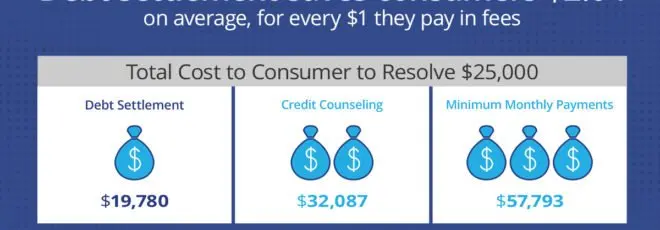
That gives you plenty of time to get rid of or considerably reduce your balance while making interest-free payments.
How Modern Tools Transforming The Intersection of Technology and Financial Vulnerability: Digital Debt Traps Things To Know Before You Get This
You might need it if your lender or a collection firm ever attempts to accumulate on the financial obligation in the future. When a lending institution forgives $600 or even more, they are called for to send you Form 1099-C.
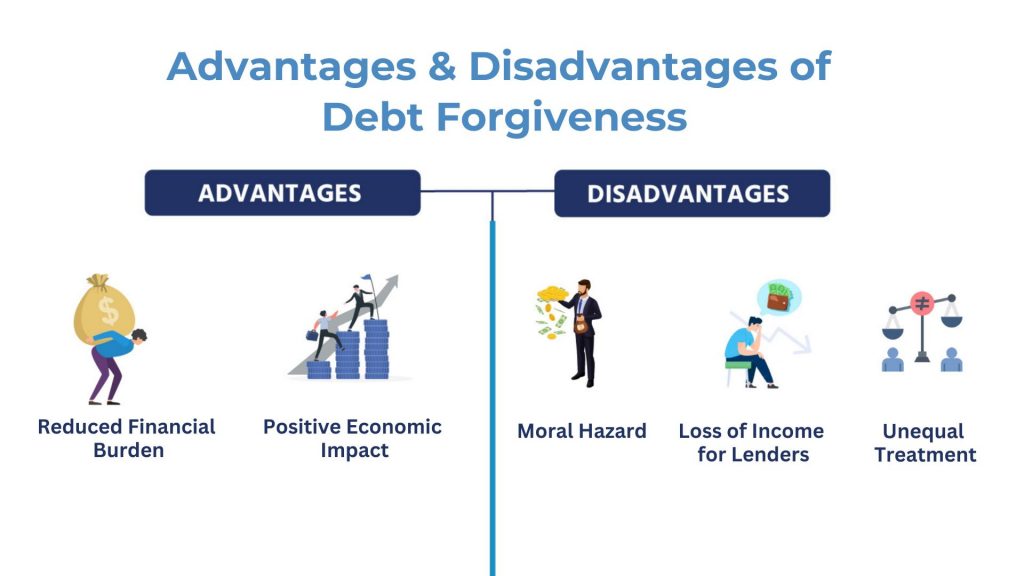
Financial debt forgiveness or negotiation often harms your credit score. Anytime you work out a debt for much less than you owe, it may look like "worked out" on your credit score report and affect your credit report score for 7 years from the day of settlement. Your credit history can likewise drop considerably in the months leading to the forgiveness if you fall back on payments.
Top Guidelines Of Complimentary Accessible The Intersection of Technology and Financial Vulnerability: Digital Debt Traps Materials Available by APFSC
This scenario often results from underreporting income, not submitting returns on time, or discrepancies found during an Internal revenue service audit. The consequences of accumulating tax debt are serious and can include tax liens, which offer the IRS a legal claim to your home as security for the financial obligation.
Salaries and Bank Accounts Internal revenue service can impose (take) earnings and bank accounts to satisfy the debt. Building Seizure In severe cases, the IRS can take and sell residential property to cover the financial debt.
Depression, stress and anxiety, and various other mental health and wellness issues. Social Preconception Dealing with lawful action from the internal revenue service can lug social preconception. Damages to track record and connections. Work Opportunities An inadequate credit report rating because of exhaust financial obligation can restrict work possibilities. Difficulty searching for or keeping a work. Federal government Advantages Tax obligation financial debt may impact qualification for federal government advantages, such as Social Security and Medicaid.
The Ultimate Guide To The Importance of Accredited Bankruptcy Counselors
The OIC thinks about several factors, consisting of the taxpayer's income, expenditures, property equity, and capacity to pay. Effectively working out an OIC can be complicated, requiring a comprehensive understanding of the internal revenue service's guidelines and a strong argument for why your deal straightens with your capability to pay. It is essential to keep in mind that not all applications are accepted, and the procedure requires thorough financial disclosure.
The internal revenue service evaluates your general monetary situation, including your earnings, expenditures, property equity, and capability to pay. You must likewise be existing with all filing and settlement demands and not remain in an open bankruptcy case. The internal revenue service also considers your conformity background, reviewing whether you have a record of timely declaring and paying taxes in previous years.
What Regulations Says Under Bankruptcy Law Fundamentals Explained
The application process for a Deal in Concession entails numerous comprehensive steps. You should finish and submit Internal revenue service Form 656, the Offer in Compromise application, and Type 433-A (OIC), a collection info statement for people. These kinds need comprehensive financial info, consisting of information regarding your income, financial debts, expenses, and properties.
Back tax obligations, which are unpaid taxes from previous years, can considerably increase your complete internal revenue service financial obligation if not attended to quickly. This debt can accumulate rate of interest and late settlement charges, making the initial amount owed a lot bigger in time. Failure to repay tax obligations can cause the internal revenue service taking enforcement activities, such as releasing a tax lien or levy against your building.
It is essential to address back tax obligations immediately, either by paying the sum total owed or by organizing a payment plan with the IRS. By taking positive actions, you can prevent the buildup of additional passion and charges, and stop a lot more aggressive collection activities by the internal revenue service.
One usual factor is the idea that the taxpayer can pay the sum total either as a lump sum or via a settlement strategy. The IRS also thinks about the taxpayer's earnings, costs, asset equity, and future earning possibility. If these elements indicate that the taxpayer can afford to pay greater than the provided quantity, the IRS is likely to decline the deal.
Excitement About Actions to Take to Recover Your Credit
Dealing with Internal revenue service debt can be complicated and difficult. Tax obligation professionals, such as Certified public accountants, tax obligation lawyers, or registered representatives, can provide indispensable aid.

Latest Posts
Not known Incorrect Statements About Why Professional Guidance Matters
The Buzz on Assessing Debt Forgiveness Services in the Industry
Getting My Your Rights To Work